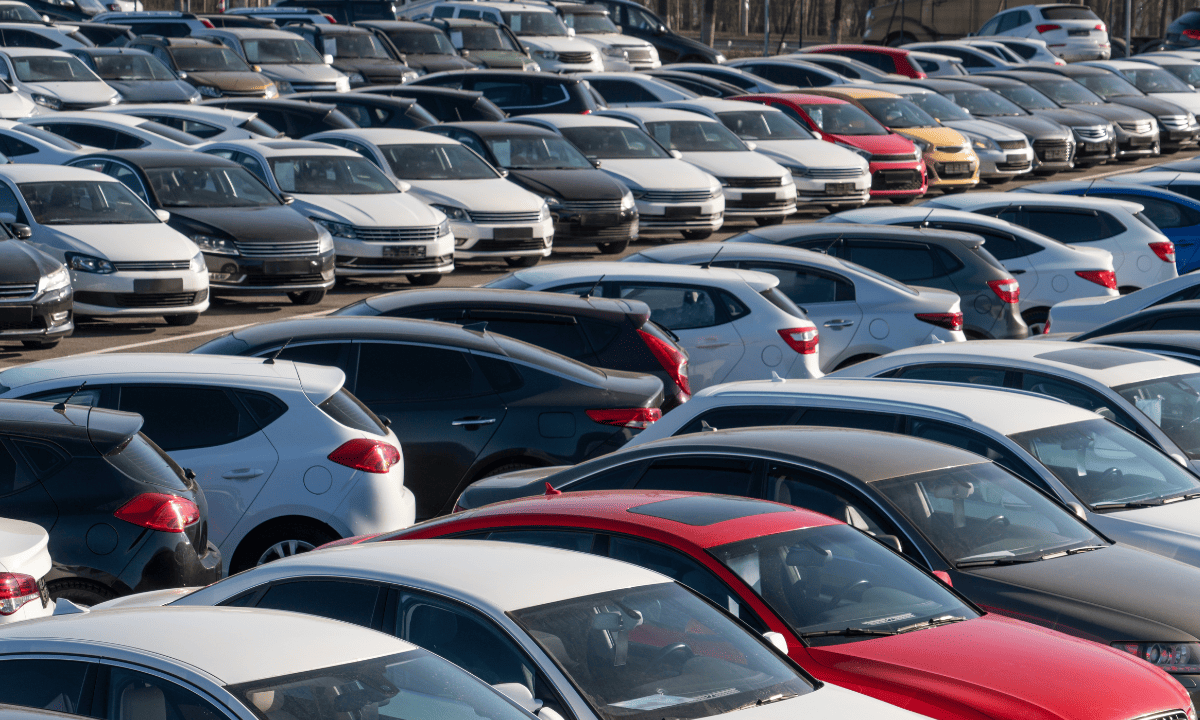
Kenya’s used car market is in a period of severe change, but one thing is clear, the cars that will have the highest resale value by 2030 are the same workhorses that are currently outperforming the market. Engines of relatively low complexity, low operating costs, and ready availability of spare parts will trump the enticement of complex infotainment systems and advanced technology. This article makes forward-looking, yet realistic, predictions about the resuscitation of the locally used models most likely to dominate the 2030 resale landscape.
What Will Drive The Resale Market in 2030?
Several forces are already affecting the future of resale value in Kenya.
First, the cost of fuel. Petrol and diesel prices are unlikely to come down any further and so encourage buyers to vote with their foot for locally used cars with true, day to day fuel-efficiency rather than just attractive brochure figures. Mechanics in Nairobi and in Mombasa have consistently noted that small to mid-size engines, usually between 1.3L and 2.0L, work best under local conditions while keeping fuel costs reasonable.
Second, maintenance and parts supply. Local dealers often stress that the value of a vehicle is inherently tied to its network of spare parts. A model may look nice, aesthetically, on social media, but if key elements are too few or too expensive, the resale value of the model quickly fades. As a result, Japanese brands with a solid parts support tend to consistently top buyer wishlists.
Third, regulatory pressures. Roadworthiness inspections are getting tougher. Vehicles that can pass emissions and safety checks without a hitch will be around longer. Outdated and exhaust heavy engines and grossly abused chassis will struggle to compete in the formal resale market by 2030.
At FNL Car Market all of these things come together to drive our approach in choosing “future-proof” inventory. We prioritise the use of locally used units that have already proven to be reliable in the real world of traffic in Kenya – including difficult terrain in rural areas.
The Likely 2030 Resale Kings
Based on current market dynamics and the usage patterns of Kenyan drivers, there are a number of models that are good contenders.
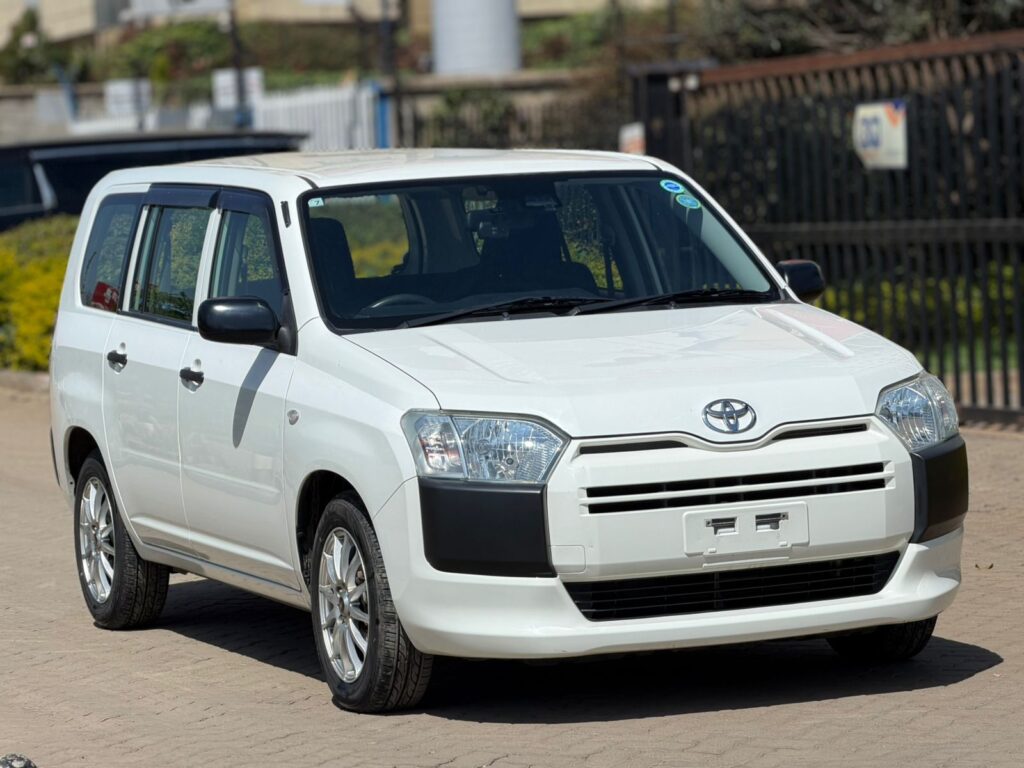
The Toyota Probox and Succeed are clear winners. Dealers often remark that the Probox only operates when oil and suspension is maintained. It is characterized as stubborn, hardworking and very forgiving. It carries goods, family members and building materials, and then plays its role all over again the next day. Due to the high number of small businesses which rely on it, demand for clean locally used Proboxes is expected to stay high well into 2030.
The family of the Toyota Corolla – Axio, Fielder and the saloons and wagons related to them – make another sure investment. Brokers sometimes compare these vehicles to “mobile fixed deposits”: one parks the capital there and expects to get most of it back when he or she sells the vehicle. They are easy to move around due to widespread familiarity, parts are available everywhere, and the fuel efficiency of the rail system has been proven, unlike some theoretical promise.
Compact SUVs will also retain a large presence. Simple petrol Nissan X-Trail units already appeal to families who want ground clearance, but plenty of boot space at a running cost not typical of a Land Cruiser. Mechanics note that if these X-Trails are serviced in the scheduled time and not abused, they age well not prone to severe gearbox faults. This combination of practicality and reasonable fuel use should ensure that they will retain their resale value.
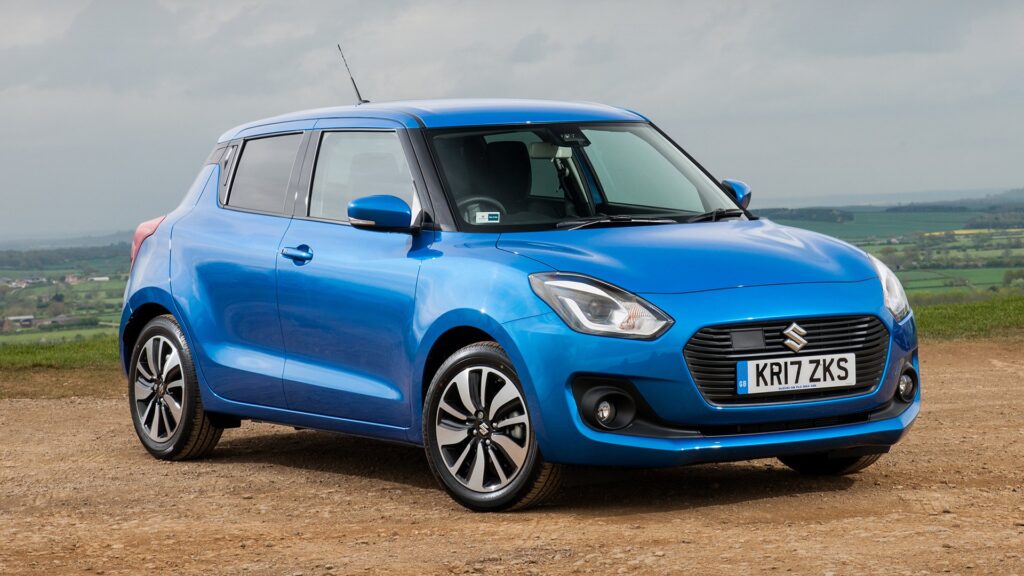
Suzuki’s ascendancy in Kenya is worth mentioning. Models, like the Escudo (Vitara) and Swift, are becoming more and more admired by drivers who wish to have a light, efficient and somewhat different vehicle. Dealers have often reported that these cars respond well to routine maintenance and that parts are becoming more readily available. By 2030, well maintained locally used Suzukis may surprise stakeholders with their strong resale performance.
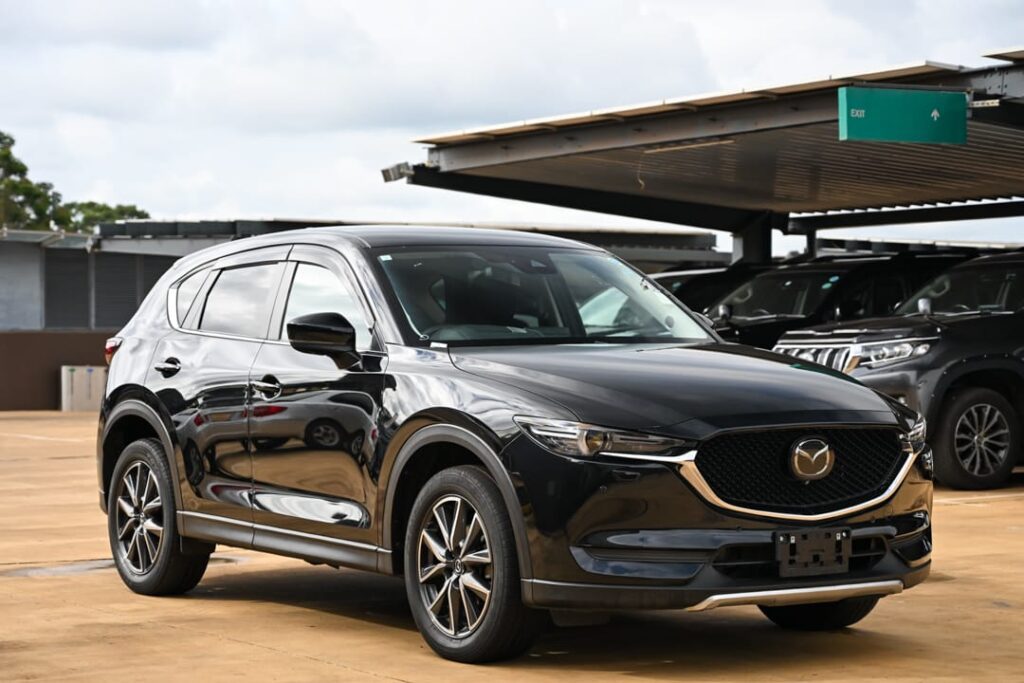
Another good example is Mazda’s CX-5. While some mechanics warn that unserviced CX–5s can park themselves into trouble, they also admit that well maintained CX–5s deliver respectable fuel economy, as well as significant comfort and appeal to middle class buyers. This makes them viable contenders for the 2030 provided owners adhere to prescribed service intervals.
Wild Cards and Shifting Attitudes
Certain developments that are hard to predict may affect the market. Mild hybrid systems might have traction if they are proven to be reliable and inexpensive for local support. A few dealers are cautiously optimistic about what they believe to be a more practical approach to hybrid use, where the electric component assists the petrol engine, but doesn’t try to do everything.
Small turbocharged engines are not so certain. Many workshops still have the feeling that they are “fast when new, fussy when old.” Should Kenyan garages, training and parts supply improve, perceptions might change, so that some of these models will retain value better than is currently expected.
How We Position Future-Proof Cars
At FNL Car Market, we all believe in these future proof bets so we have them on our core inventory. When listing locally used Proboxes, Corollas, X- Trails, Foresters, Swifts, CX-5’s and the like, we highlight characteristics that make them more likely to last to 2030: full service history, well-documented history, reasonable mileage, and engines that show no signs of abuse.
During festive seasons, when many buyers are looking for an automobile that can be used right away and later resold, these models have additional relevance. They are not just transport mediums; rather, they are financial instruments that can contain families, cargo and future resale value simultaneously.
To provide the best experiences, we use technologies like cookies to store and/or access device information. Consenting to these technologies will allow us to process data such as browsing behavior or unique IDs on this site. Not consenting or withdrawing consent, may adversely affect certain features and functions.
Functional
Always active
The technical storage or access is strictly necessary for the legitimate purpose of enabling the use of a specific service explicitly requested by the subscriber or user, or for the sole purpose of carrying out the transmission of a communication over an electronic communications network.
Preferences
The technical storage or access is necessary for the legitimate purpose of storing preferences that are not requested by the subscriber or user.
Statistics
The technical storage or access that is used exclusively for statistical purposes.The technical storage or access that is used exclusively for anonymous statistical purposes. Without a subpoena, voluntary compliance on the part of your Internet Service Provider, or additional records from a third party, information stored or retrieved for this purpose alone cannot usually be used to identify you.
Marketing
The technical storage or access is required to create user profiles to send advertising, or to track the user on a website or across several websites for similar marketing purposes.