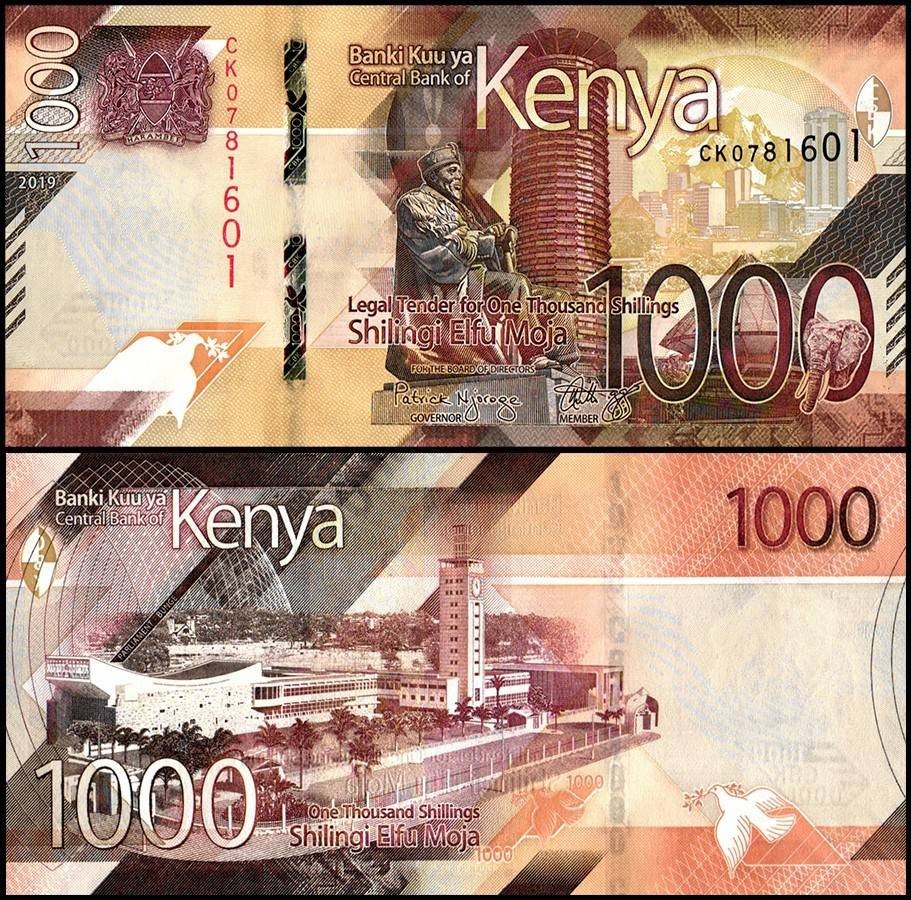
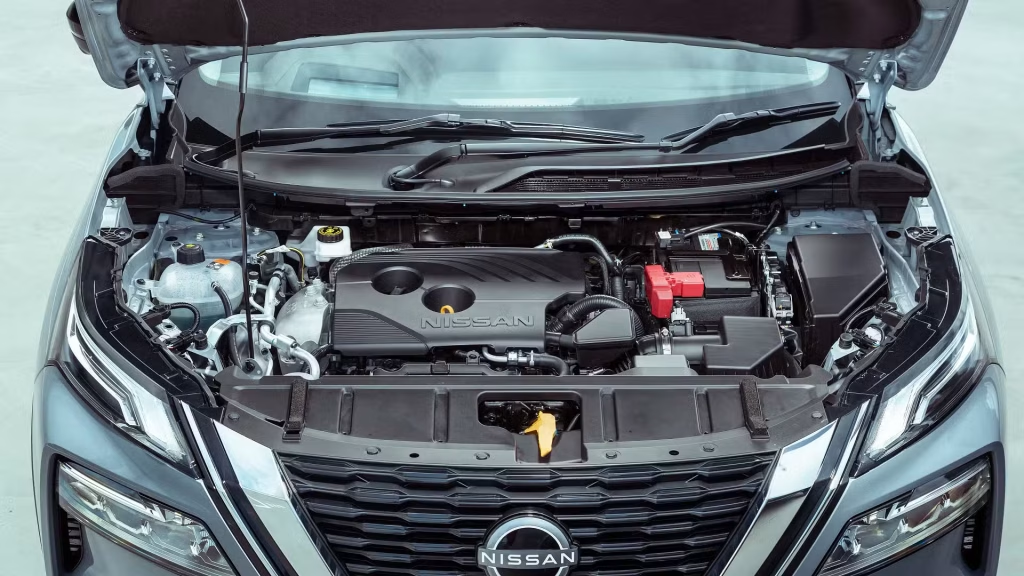
In Nairobi, fuel economy is not a theoretical issue, it is a matter of survival. As the cost of petrol and diesel puts pressure on household budgets, a simple mental test has become a common topic of discussion: given KSh 1,000 of fuel, how far does a local vehicle used actually go in typical Nairobi traffic conditions? The “1,000 bob test” offers a pragmatic way of comparing popular models, especially those already in circulation as locally used units on Kenyan roads..
Setting Up the 1,000 Bob Scenario
The idea of the 1,000 bob test is simple. One chooses typical Nairobi routes, such as Thika Road, Mombasa Road, Waiyaki Way, the Outer Ring and inner estate circuits in areas like Umoja, South B or Roysambu and assumes various traffic situations: morning traffic, midday traffic, evening traffic and the occasional unobstructed stretch late at night.
At current fuel prices, KSh 1,000 is enough for only a partial tank for most locally used vehicles. Vehicle owners and mechanics often notice that smaller petrol hatchbacks usually cover more ground with that amount of fuel than larger SUVs; while the practice of careful driving and correct tyre pressures also play a significant part. Nairobi drivers generally share such informal observations at petrol stations and in online groups, comparing the distances travelled by different models before the low-fuel warning light comes on again.
Small Hatchbacks: Stretching Every Last Shilling
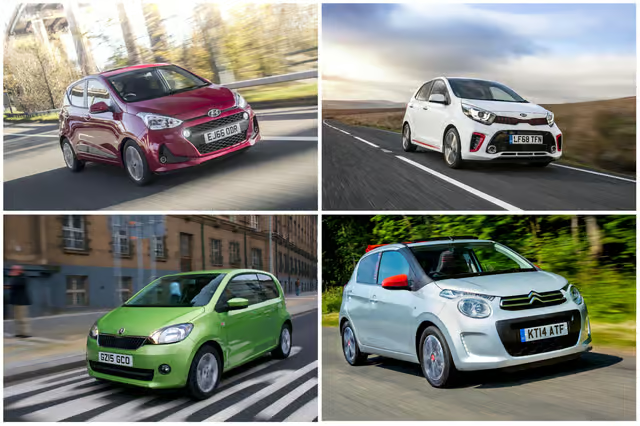
Compact hatchbacks that are used locally include the Toyota Vitz (1.0 – 1.3 litres), the Nissan March (K13, 1.2 litres) and the Mazda Demio (1.3 litres), which are often mentioned by Nairobi commuters as the champions of the 1000 bob test. Drivers in several estates have reported that these cars are comfortably handling several days of short distances under usually stop-and-go traffic – i.e. roughly estimated at 60-80 km at KSh 1,000 – depending on traffic intensity and driving style.
Mechanics who specialise in small Japanese cars often refer to the fact that chain driven, small engine models, if serviced regularly, respond well to gentle acceleration and light loading. They point to the fact that fuel consumption can get worse very quickly if drivers are constantly stomping on the accelerator when going over bumps, carry unnecessary weight or fail to do basic maintenance such as replacing the air filter and keeping tyres up. During festive seasons when people pack their hatchbacks with relatives and luggage for their destination trips, the same small cars often have a significant decrease in their 1,000 bob range.
Sedans and Wagons: A Tradeoff Between Comfort and Consumption
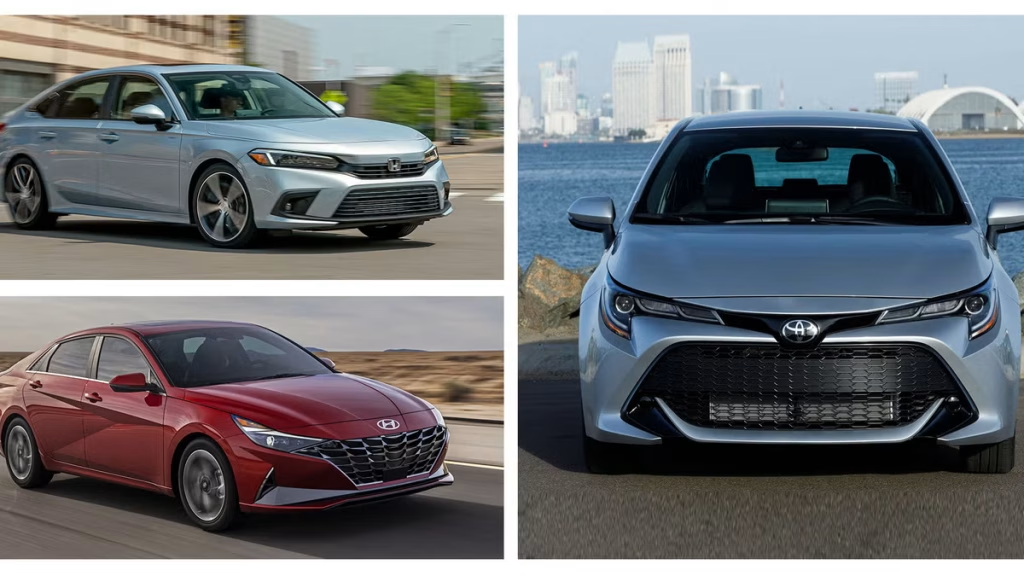
Popular locally used sedans and wagons – Toyota Axio, Fielder, Allion, etc. – fall into the middle zone of the 1,000 bob discussion. Many owners in Nairobi have reported that these vehicles have 1.5-1.8 litre engines and perform well in mixed conditions with good fuel utilisation, and provide more cabin and boot space than super mini cars.
An anecdotal observation is that some drivers get about 40 – 60 km in heavy Nairobi traffic on KSh 1,000, with improved figures when most driving is done during off peak hours. Taxi operators using such vehicles have commented that they drive very smoothly and unhurriedly, anticipate traffic signals and jams, and range between refuellings is much better. In December and Easter traffic, however, being stuck in gridlock for long periods of time erodes this advantage.
Work horses and Compact SUVs: Utility at a Price
Vehicles like the Toyota Probox/Succeed and compact SUVs like the Nissan X-Trail add a new dimension. The Probox is often heralded as a good compromise between reasonable fuel economy and a lot of carrying capacity. Traders and small business operators in the industrial districts of Nairobi have reported that a Probox, not so heavily laden, performs reasonably well on the 1,000 bob test, and occasionally approaches the lower end of hatchback performance; but that heavy loads and constant up and down routes dramatically reduce that range.
Compact SUV’s offer ground clearance and comfort for a greater cost of higher consumption. Owners of locally used petrol X-Trail and similar models often report that on the city roads KSh 1,000 lasts less, providing less kilometres than sedans and hatches. Drivers are finding that aggressive acceleration, roof racks laden with goods and under-inflated tyres can also undermine fuel economy especially at festive shopping times and family excursions that lead to crowded cabins and bootloads.
Driving Habits: The Silent Multiplier
Across all vehicle categories, driver behaviour is revealed as an important hidden factor in the 1,000 bob test. Fuel-system specialists like to express that:
Hard acceleration and sudden braking wastes fuel.
Idling in stationary congestion for a long time is meaningless, which will burn money and distance.
Poor maintenance – clogged filters, old plugs, under inflated tyres – is a permanent handbrake on the economy.
Some Nairobi drivers have reported that they have experimented with softer driving styles – keeping revs low, coasting before bumps, planning routes to avoid the worst chokepoints – and noticed that the same KSh 1,000 goes further, even in the same vehicle.
Festive Season Twist
December and other festive times complicate things. The fact that there are more vehicles on the road, more traffic-policing, and more night driving also have an impact on consumption. Families and groups travelling for up-country celebrations often overload vehicles to their capacity with passengers, shopping and luggage, and spend hours negotiating through choke points such as Naivasha Road or the Mombasa Road – CBD corridor.
In such conditions, no matter how efficient the locally used hatchback is, they cannot do miracles. The 1,000 bob test is therefore a reminder of the importance of realistic planning – fuel budgeting, rest breaks and perhaps even sharing the costs between passengers – to safe and stress-reduced travel.
Reading the 1,000 Bob Test Correctly
Ultimately, the 1000 bob test is more of a mental tool than an accurate scientific measurement. It conveys that:
Smaller well maintained local cars usually extract greater distance from limited fuel.
Extra weight, roof loads and aggressive habits shrink the range dramatically.
Route choice and timing can turn the same KSh 1,000 into a generous or stingy amount.
For Nairobi motorists working with tight budgets, the test becomes a daily conundrum: how to couple the right car to the right behaviour so that every shilling of fuel goes a little further to life, work and festive plans. FNL Car Market has listings featuring these fuel economy vehicles.
To provide the best experiences, we use technologies like cookies to store and/or access device information. Consenting to these technologies will allow us to process data such as browsing behavior or unique IDs on this site. Not consenting or withdrawing consent, may adversely affect certain features and functions.
Functional
Always active
The technical storage or access is strictly necessary for the legitimate purpose of enabling the use of a specific service explicitly requested by the subscriber or user, or for the sole purpose of carrying out the transmission of a communication over an electronic communications network.
Preferences
The technical storage or access is necessary for the legitimate purpose of storing preferences that are not requested by the subscriber or user.
Statistics
The technical storage or access that is used exclusively for statistical purposes.The technical storage or access that is used exclusively for anonymous statistical purposes. Without a subpoena, voluntary compliance on the part of your Internet Service Provider, or additional records from a third party, information stored or retrieved for this purpose alone cannot usually be used to identify you.
Marketing
The technical storage or access is required to create user profiles to send advertising, or to track the user on a website or across several websites for similar marketing purposes.