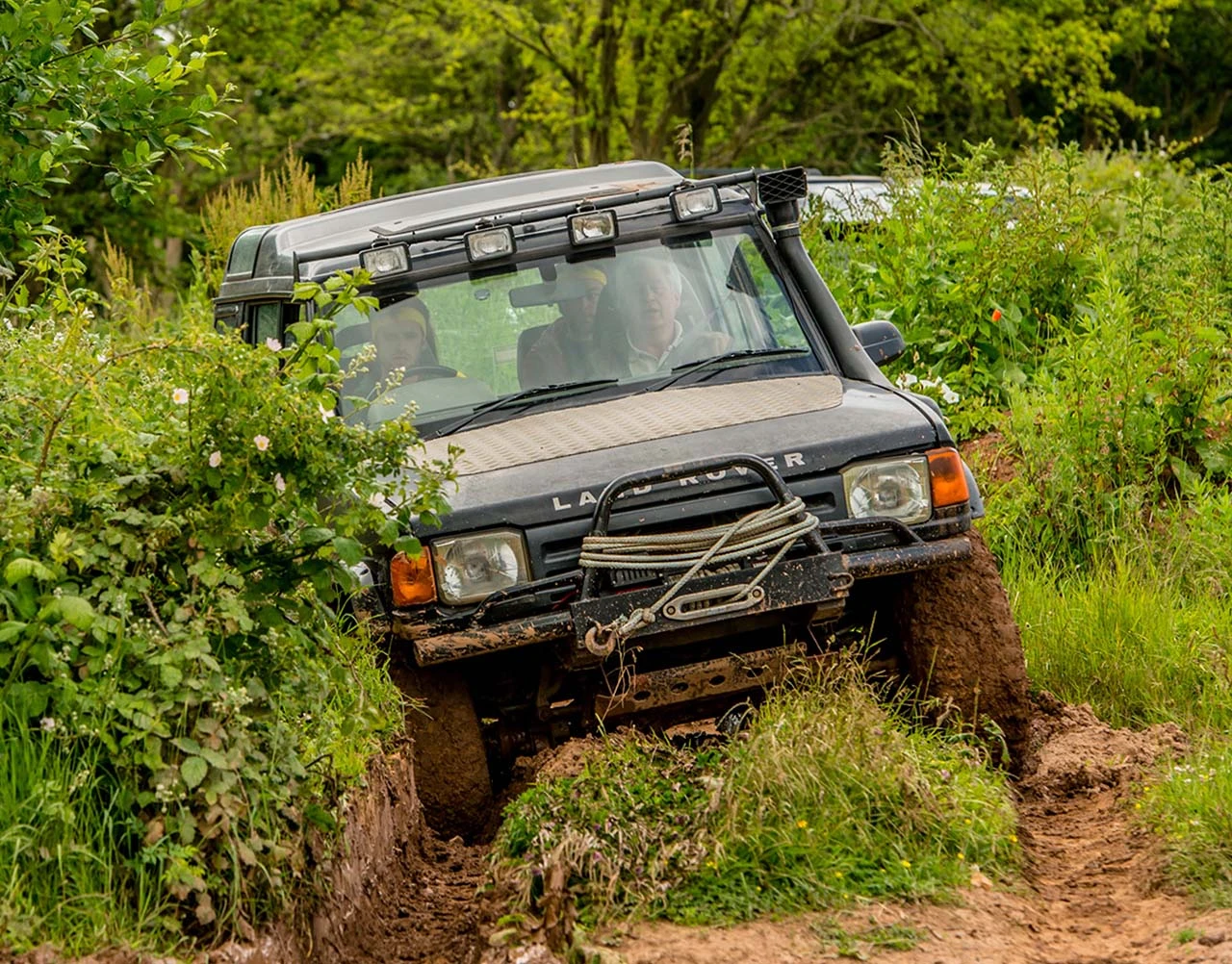
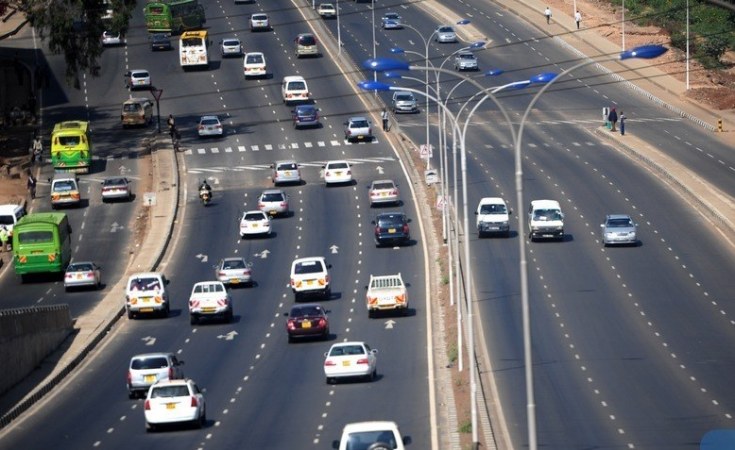
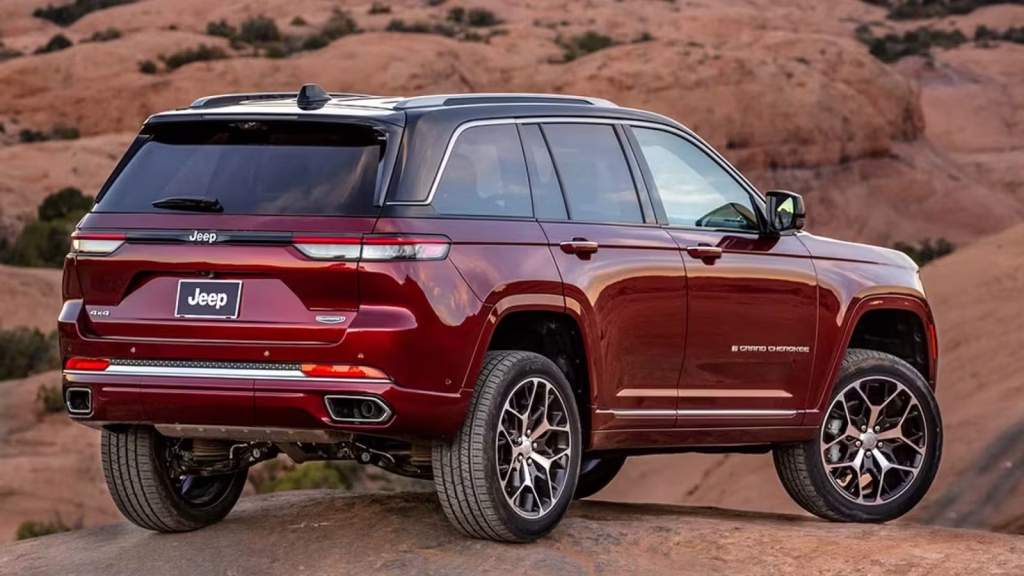
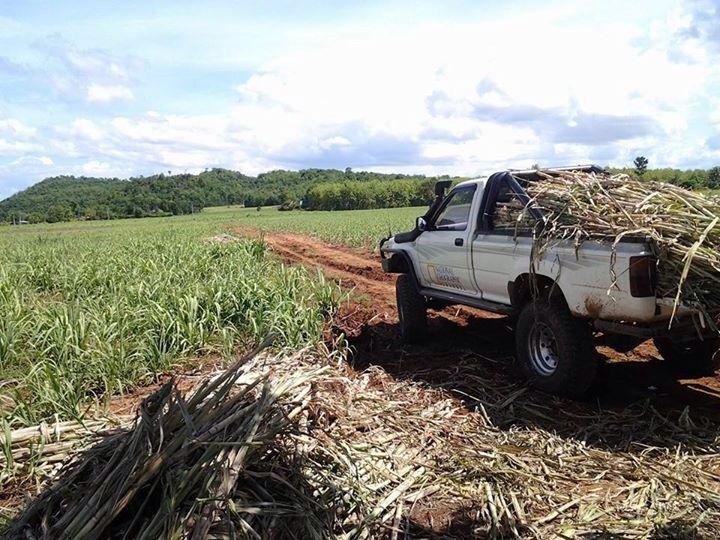
A traditional Kenyan weekend excursion starts at office parking bays and ends at dusty homestead clearings. The journey from the paved tarmac of Nairobi to the murram, rocky tracks and unexpected trenches of rural Africa makes up the real test of a vehicle in use. Certain models are comfortable passing through both environments; others are only comfortable on the urban roads and stumble when the tyres leave the bitumen.
Starting Point: Life in Nairobi Office
During weekday hours, most cars on the local roads are on a predictable schedule: office commutes, school pickups, and short lunchtime errands. Models like the Toyota Axio, Mazda Demio, Nissan Note, Honda Fit and Subaru Impreza are dominant in the central business district and corporate premises. Security personnel and parking attendants often refer to these vehicles as ‘suitable for town’ because of their quiet cabins and easy manoeuvrability in and out of tight spaces between basement pillars.
On Friday evenings the story changes. Boots get loaded with shopping, gifts, luggage and sometimes hardware. Office shoes are replaced by sneakers and the question changes from ‘Can this car manage Kenyatta Avenue?’ to ‘Can it make it along the last three kilometres to the shoreline?’
Highway Phase: Tarmac Confidence
On highways out of Nairobi (like Thika road, Mombasa road, Waiyaki way and Kangundo road) most reasonably maintained locally used cars do fine. Drivers say sedans such as the Toyota Premio, Allion, Axio, Nissan Bluebird, and Mazda Atenza are stable at highway speeds, have sufficient overtaking ability, and are comfortable to ride in. Compact SUVs like the Nissan X-Trail, Toyota RAV4, Subaru Forester,Suzuki Escudo and Honda CR-V provide even greater confidence with higher driving positions and greater ground clearance.
Mechanics who have been in the business a long time often insist that at this point, the main differences are engine condition, tire quality and braking performance (and not just the model.) They warn about poorly serviced compact cars which might find steep gradients hard to climb with a full load while heavily laden SUVs with worn shocks might feel floaty and unsafe when executing emergency manoeuvres.
The Transition: From Tarmac to Murram
The real divergence is when the tarmac ends. At this point the locally used sedans and hatchbacks show their limitations. Drivers from areas such as Kisii, Meru, Kitale, and Ukambani often report that low slung cars scrape the underside of their cars over ridges, stones, and washouts. Even an easily constructed village gate or eroded culvert can be a formidable challenge.
Ground clearance and tire sidewall height suddenly become critical. Compact SUVs and lightweight pickups are often able to cope better. Farmers and regular upcountry travelers routinely extol the virtues of vehicles like old Toyota RAV4s, Nissan X-Trail’s, Suzuki Escudo’s, single-cab Toyotas Hiluxes and Isuzu D-Maxes in terms of their ability to make it through some rocks and ruts without scraping. A rural driver may comment that an RAV4 ‘does not fear those home roads’ and another will joke that a Hilux ‘needs only a path, not a road.’
Comfort Versus Toughness
The weekend road trip test is not all about survival; comfort is still consequential. On long stretches of murram, loose surfaces cause vibration and intrusion of dust. Owners of locally used Corollas, Demios and Notes have occasionally reported the sensation of each corrugation and pothole, especially if suspension parts are worn or tires are overinflated. Over the years, this causes fatigue, especially for older passengers or children.
On the other hand, drivers in well-maintained X-Trails, Escudos, Foresters and Harriers often report a more attractive ride. Mechanics specializing in suspension work are positive that if shocks and bushings are in good condition, such vehicles absorb the imperfections in murram better than most small saloons, so the cabin is more composed and there are fewer complaints from occupants of the rear seats.
Practicalities at the Homestead
Arrival at the rural homestead brings with it another test: maneuverability and robustness in constrained and uneven spaces. Estates and office parks have parallel parking between painted lines; village compounds require navigation around trees, livestock, children, and often makeshift clotheslines.
In this respect, the drivers of compact SUVs and shorter saloons have an advantage. A long, low saloon is in danger of becoming immobile or scraping on steep entrances. Villagers, speaking casually, may qualify some models as ‘Nairobi cars’ in that they are visibly struggling with everyday homestead tasks such as reversing from sloped yards or climbing muddy approaches after rain.
Lightweight pickups and double cab vehicles such as the Toyota Hilux, Isuzu D-Max and Nissan NP300 are great in terms of practicality: firewood, water drums, farm tools, and construction materials all fit in the rear compartment. However, they ride better when unladen. For trips that are purely passenger they are durable, but may not be as comfortable as SUVs.
Festive Season Intensifier
Festive months make the office-to-ocha test worse. December often brings extra luggage, gifts and passengers. Roads may be wetter, more damaged or busier with public transport and freight vehicles. Drivers who are coming home after long office parties or night prayers also face the problem of reduced visibility and fatigue.
Under these conditions, locally used vehicles which combine clearing, stable suspension and reliable braking are decisive winners. Compact SUVs and rugged saloons with modest overhangs get on better with washed-out murram and surprise ridges than do very low and heavily loaded hatchbacks. Mechanics working in rural areas say festive seasons lead to spikes in underbody damage and suspension breaks for cars that are doing fine on Nairobi streets but are completely out of place on the new terrain.
Choosing Weekend Warriors Wisely
The office – to – ocha weekend excursion shows that the word ‘best’ depends on the percentage of time spent on each surface. A locally used car that is good for office commutes on a daily basis may yet drive through the village with more drama and potential damage. Models that compromise between city convenience and rural clearance – compact SUVs, taller wagons, sturdy sedans and lightweight pickups – make the transition more gracefully.
For Kenyans who live between these two spheres, the ideal locally used car is not one that just happens to be good on tarmac, or cruises silently in CBD traffic. It is a vehicle that can ride out of the office on Friday, go up hills or down dusty plains on Saturday, carry family and luggage without a scratch, and be back at work on Monday. Find such cars on our website listings.
To provide the best experiences, we use technologies like cookies to store and/or access device information. Consenting to these technologies will allow us to process data such as browsing behavior or unique IDs on this site. Not consenting or withdrawing consent, may adversely affect certain features and functions.
Functional
Always active
The technical storage or access is strictly necessary for the legitimate purpose of enabling the use of a specific service explicitly requested by the subscriber or user, or for the sole purpose of carrying out the transmission of a communication over an electronic communications network.
Preferences
The technical storage or access is necessary for the legitimate purpose of storing preferences that are not requested by the subscriber or user.
Statistics
The technical storage or access that is used exclusively for statistical purposes.The technical storage or access that is used exclusively for anonymous statistical purposes. Without a subpoena, voluntary compliance on the part of your Internet Service Provider, or additional records from a third party, information stored or retrieved for this purpose alone cannot usually be used to identify you.
Marketing
The technical storage or access is required to create user profiles to send advertising, or to track the user on a website or across several websites for similar marketing purposes.